
Overview
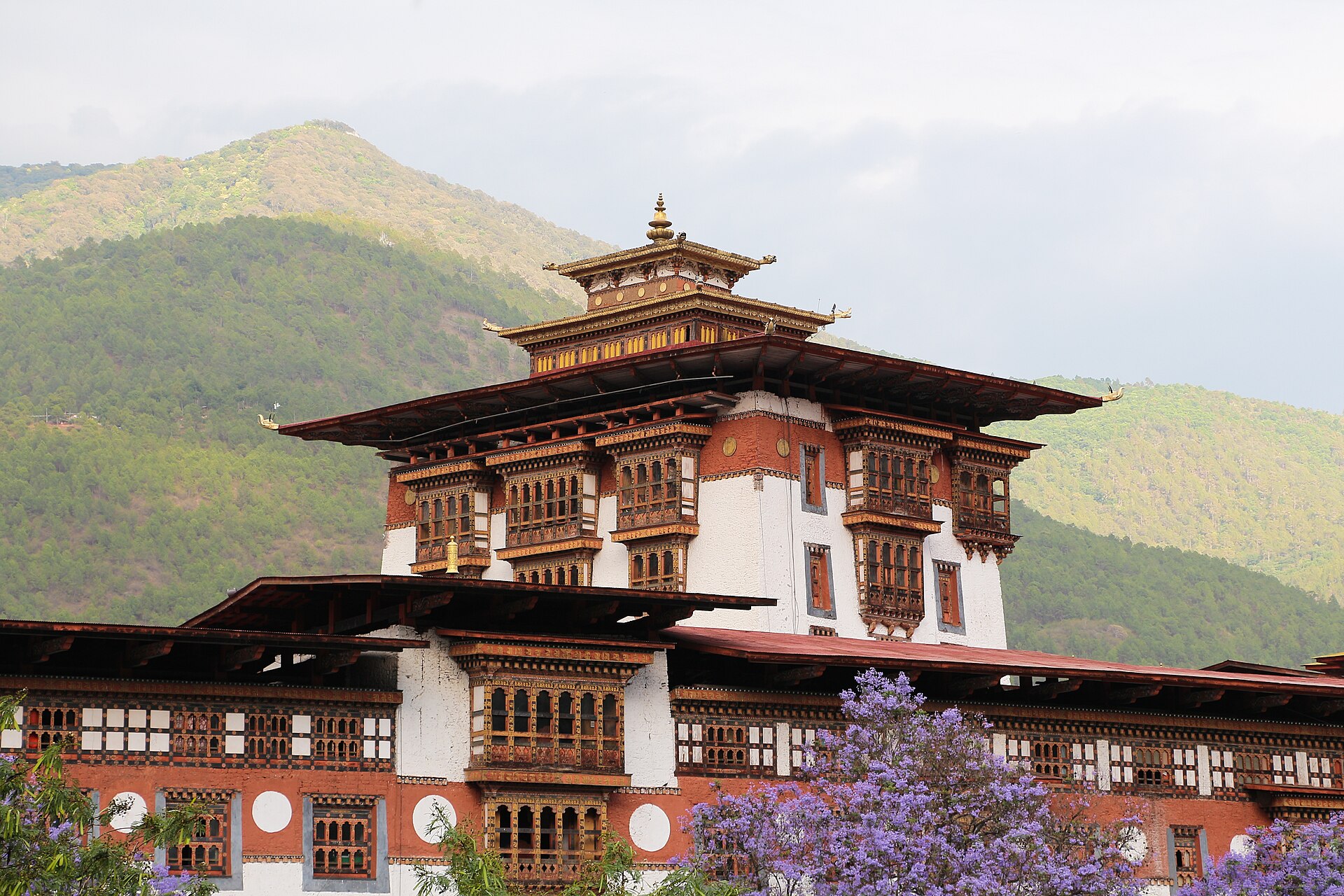
The Bhutan School Immersion Programme provides deep immersion inside the Bhutanese educational environment, arranged by Gu-Mar Travels & Tours for visiting student groups.
Rather than shifting between multiple distant valleys, student groups anchor themselves in Thimphu for a multi-day school residency — attending morning classes alongside Bhutanese peers, participating in traditional arts workshops, and engaging in collaborative group projects.
Trip Highlights
- A multi-day residency at a Thimphu partner school, paired with dedicated Bhutanese student buddies.
- Morning academic periods in English, History and Environmental Science alongside host students.
- Traditional arts workshops such as introductory mask carving or basic weaving, led by school instructors.
- An inter-school sports exchange of football or basketball with the host student body.
- A cross-cultural team presentation on global environmental goals, followed by a farewell assembly.
- Paro’s heritage sites and an educational pilgrimage to Tiger’s Nest Monastery.
Day-by-Day Itinerary
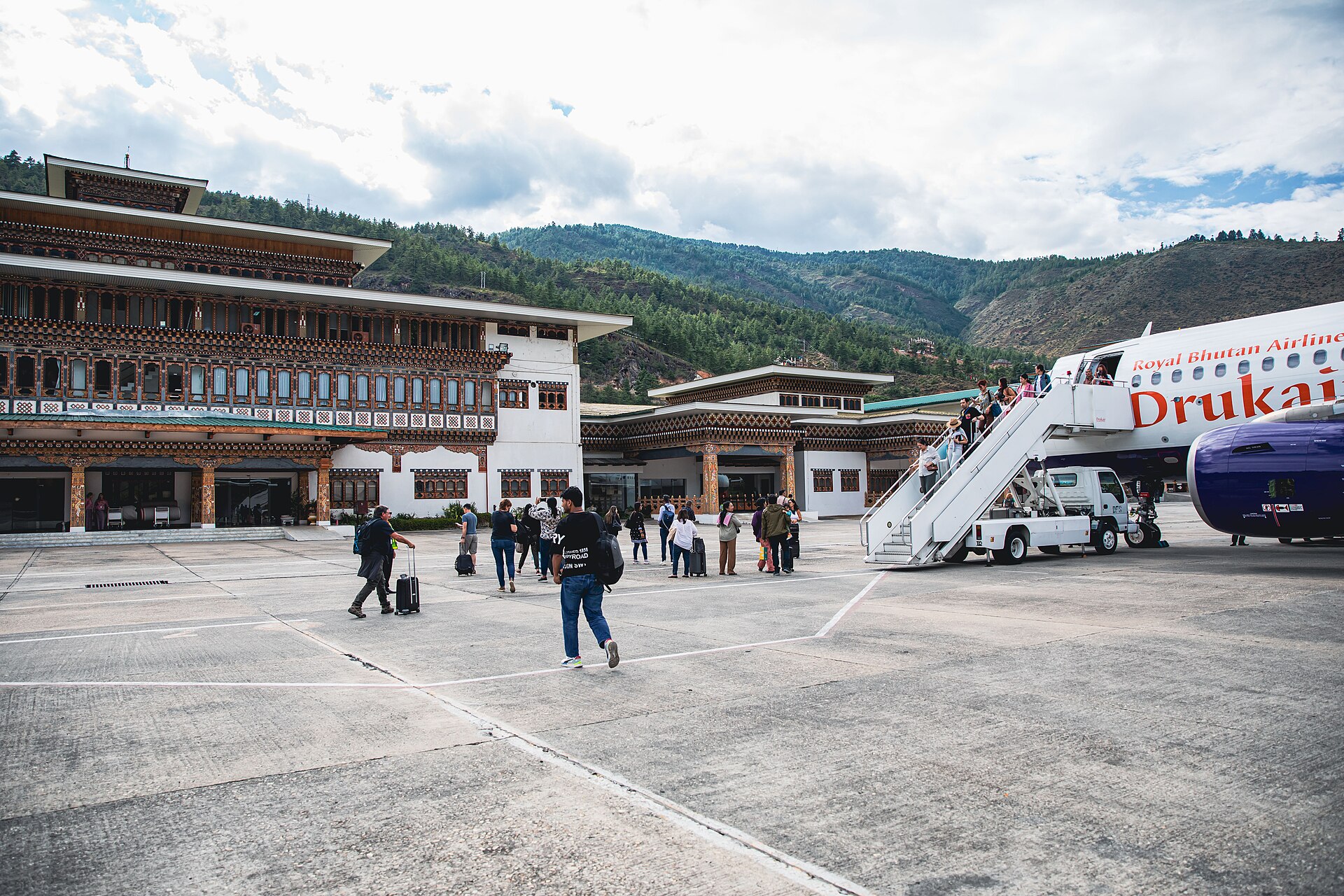
Welcome at Paro International Airport by your Gu-Mar education leads. Transfer 1.5 hours to Thimphu. Hold an evening welcome dinner and distribute the weekly classroom timetables and code-of-conduct guidelines.
Meals: Lunch, Dinner | Overnight: Thimphu
Arrive at the partner school early. Participate in a special campus introduction at the morning assembly, meet the faculty, take a school tour, and be paired with your dedicated student “buddies” for the week. Join your first introductory social studies lesson.
Meals: Breakfast, Lunch, Dinner | Overnight: Thimphu
Attend active morning academic periods alongside your buddies, tracking standard curricula (English, History, Environmental Science). In the afternoon, participate in a specialized traditional arts workshop (such as introductory mask carving or basic weaving) led by school instructors.
Meals: Breakfast, Lunch, Dinner | Overnight: Thimphu
Continue with morning academic periods. In the afternoon, shift to the outdoor fields for an inter-school sports exchange, playing football or basketball with the host student body, building camaraderie outside the classroom.
Meals: Breakfast, Lunch, Dinner | Overnight: Thimphu
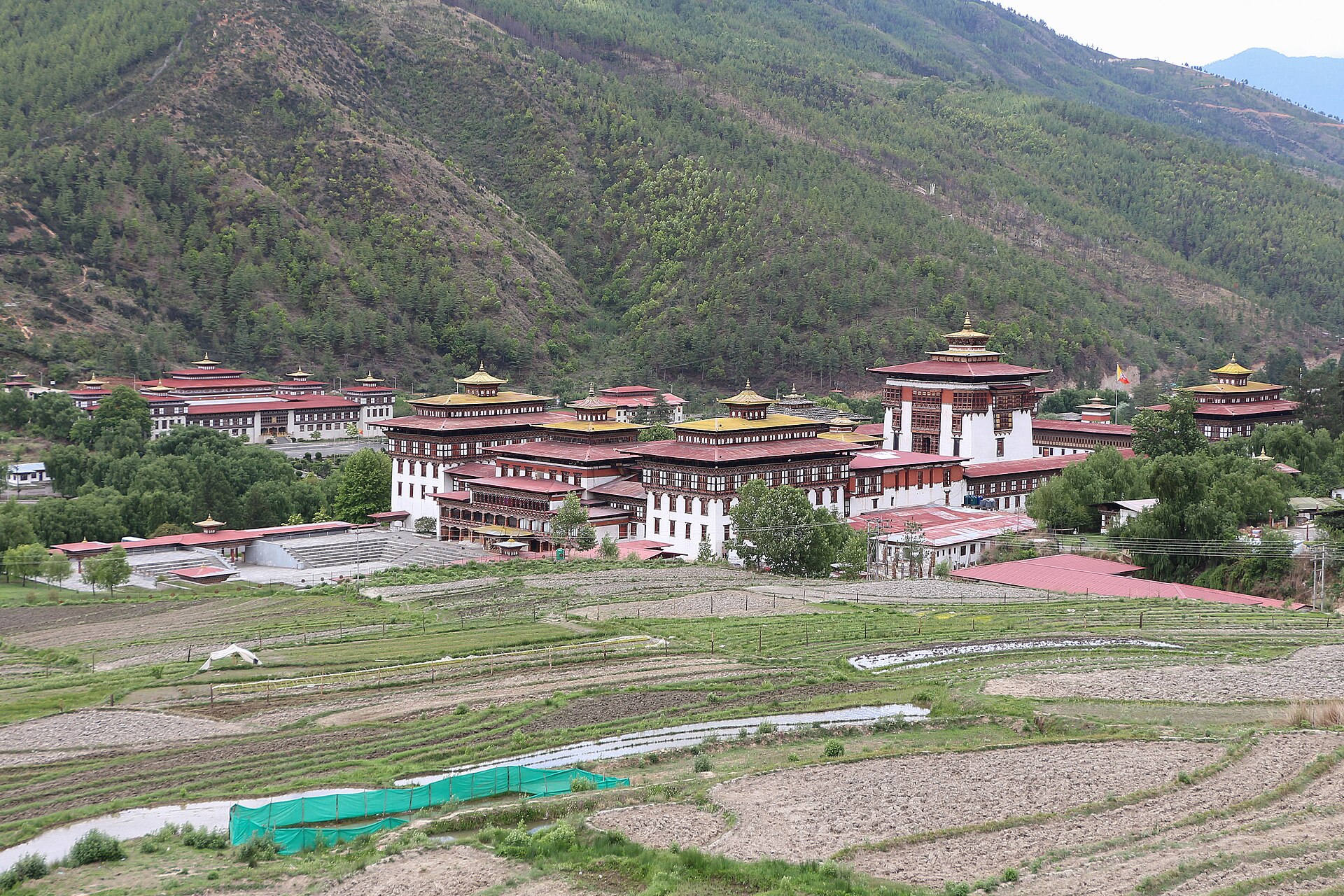
Spend the morning working in cross-cultural teams to finalize a collaborative presentation on global environmental goals. Present your findings to the school faculty in the afternoon, followed by a formal farewell assembly and token exchange. Visit Tashichho Dzong at dusk.
Meals: Breakfast, Lunch, Dinner | Overnight: Thimphu
Visit Buddha Dordenma and the Motithang Takin Preserve in the morning to conclude your capital study. Drive 1.5 hours back to Paro Valley. Check into your hotel and enjoy a relaxed evening walking tour of Paro town.
Meals: Breakfast, Lunch, Dinner | Overnight: Paro
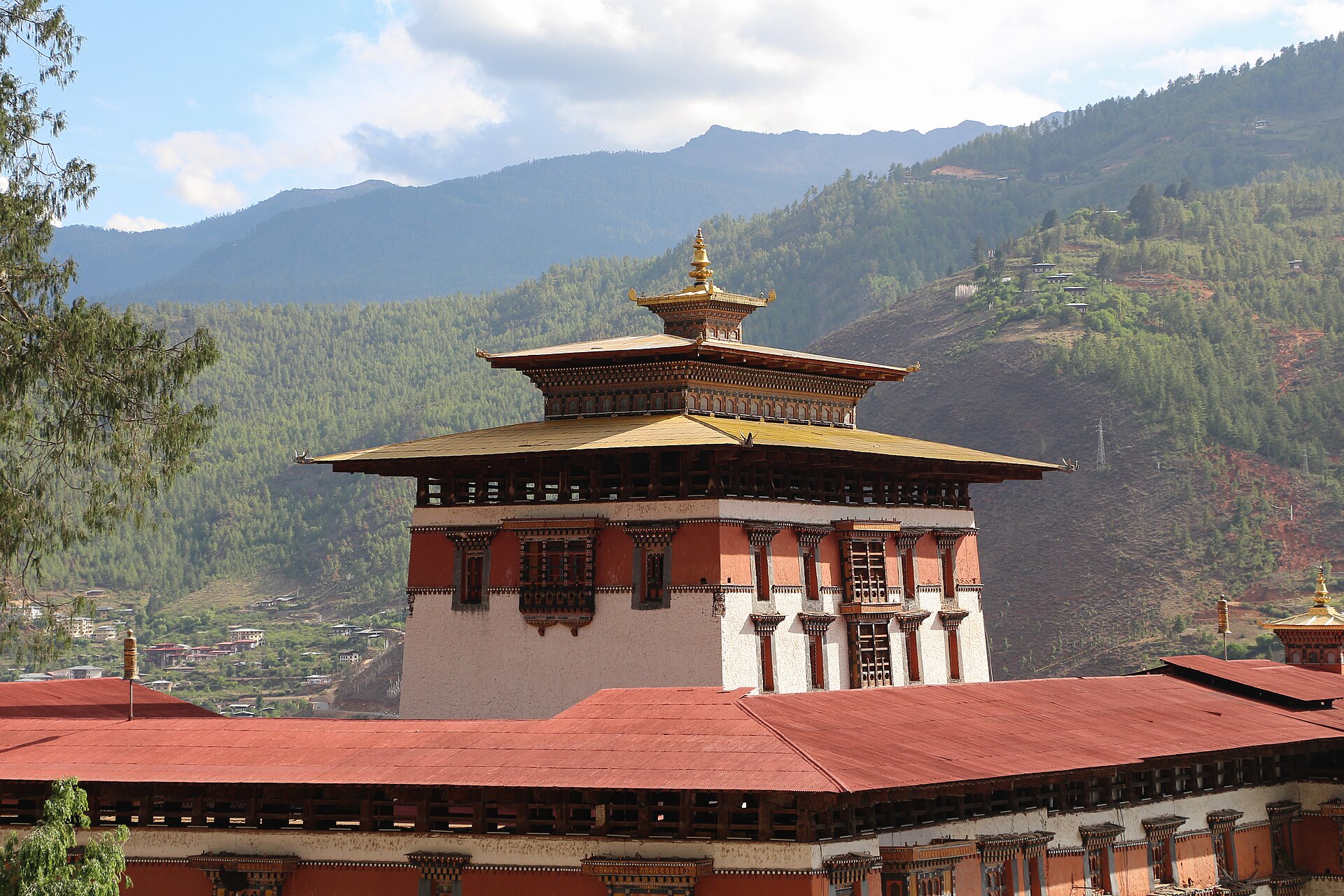
Spend a slow day exploring Paro’s historical sites. Visit Kyichu Lhakhang and Rinpung Dzong to analyze traditional structural design. Hold an evening group circle to prepare mentally and physically for the upcoming mountain trek.
Meals: Breakfast, Lunch, Dinner | Overnight: Paro
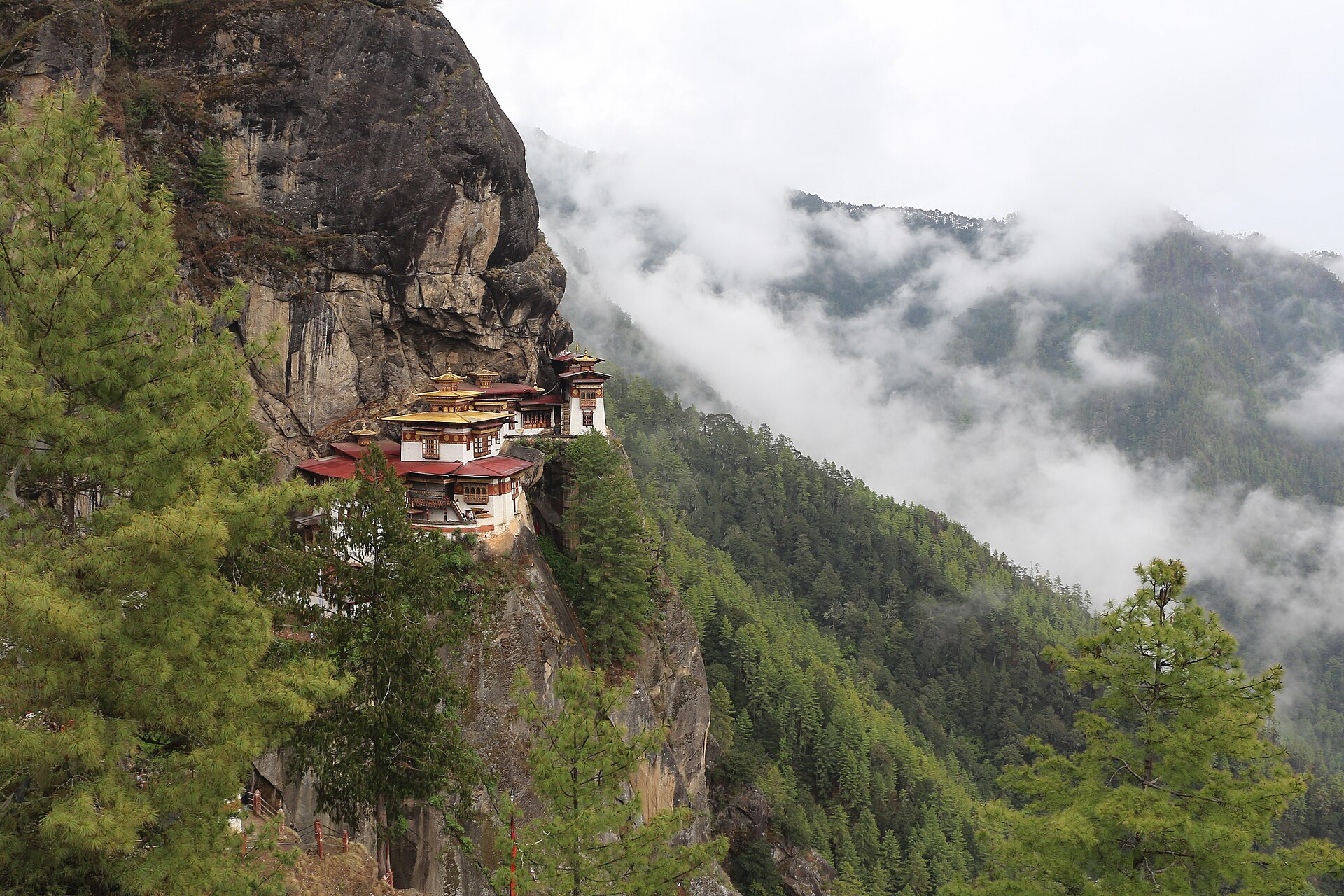
Hike up to Taktsang Monastery (Tiger’s Nest), learning about spiritual ecology and religious heritage on-site. Explore the cliff-hanging structures 900 meters above the valley floor. Gather at a local guesthouse for a final farewell group dinner in Paro town.
Meals: Breakfast, Lunch, Dinner | Overnight: Paro
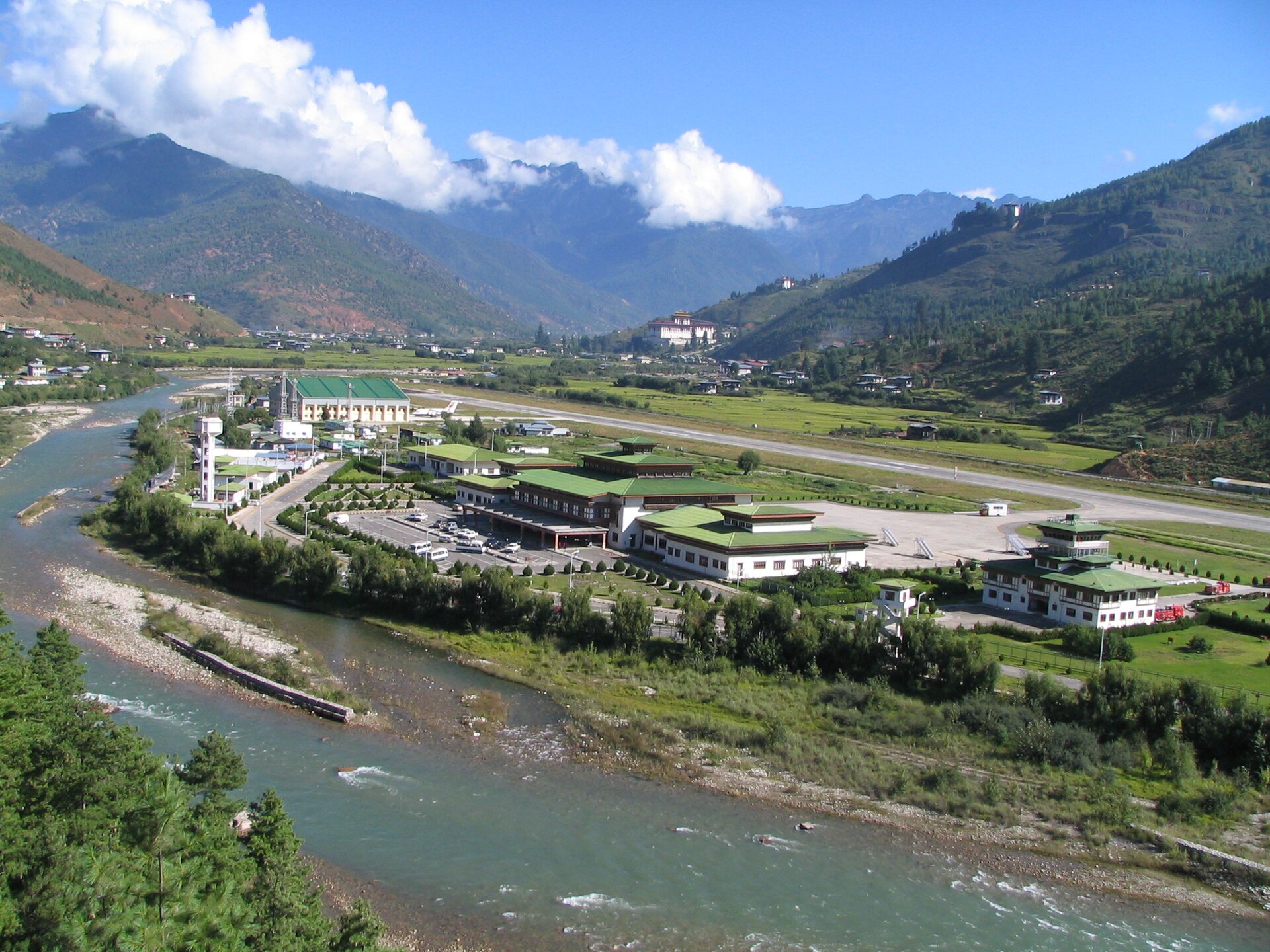
After an early breakfast in the valley, your guide and driver will transfer the entire student delegation to Paro International Airport for your departure flight.
Meals: Breakfast
Inclusions & Exclusions
What’s Included
- Institutional Clearances: Full coordination and processing of academic permits, institutional clearance letters, and school-to-school bilateral memorandum fees.
- Academic Facilitation: Honorariums for guest lecturers, university professors, GNH researchers, and community elders hosting seminars.
- Accommodation: Twin/triple-sharing rooms in government-certified 3-star tourist hotels or vetted school dormitories/heritage homestays for deep immersion.
- Dedicated Transportation: Private ground transfers in a spacious coaster bus or mini-bus driven by an experienced highway captain.
- Academic Liaison Guide: Accompanied full-time by a senior licensed English-speaking guide specializing in socio-cultural education and student group dynamics.
- All-Inclusive Field Dining: Three nutritious daily meals featuring a balance of local Bhutanese dishes and continental options suitable for student groups.
- Mandatory Government Dues: Full integration of the daily Sustainable Development Fee (SDF), national royalties, and monument entry permits.
- Hydration: Daily bottled water supplied during all educational transfers and field excursions.
What’s Not Included
- Airfare: International or regional air tickets to and from Paro International Airport.
- Visa Processing: The mandatory official Bhutan Tourist Visa processing fee ($40 USD per applicant).
- Personal Expenditures: Laundry, personal phone data, souvenirs, and snacks outside the curated group menu.
- Insurance: Mandatory international group travel, medical, and emergency evacuation insurance.
- Gratuities: Discretionary tips for the guiding team, drivers, and campus kitchen staff.
Good to Know
- Academic Customization: Itinerary durations are highly modular (ranging from 7 to 21 days). Gu-Mar can scale elements up or down based on your institution’s specific curriculum requirements or research field mapping.
- Bilateral Protocols: Vetted school interactions require a formal dress code (modest attire covering shoulders and knees; collars preferred). Visiting students are encouraged to bring a small cultural presentation or institutional token to exchange with their hosts.
- Regulatory Clearance: Academic permissions take a minimum of 8–10 weeks to process through ministerial channels. All student rosters and research abstract proposals must be submitted to Gu-Mar well in advance.